FM-04Spark-Resistant
Spark Resistant Matting
Spark resistant matting is floor protection designed to take the spray of sparks, spatter and hot metal fragments thrown by welding, grinding and cutting without igniting, melting or pitting.
It is chosen by where the sparks land and how hot they are. Below we explain how spark resistance works and how to size it to the spray pattern of your work.

In short
Spark resistant matting is floor protection designed to take the spray of sparks, spatter and hot fragments from welding, grinding and cutting without igniting, melting or pitting; size it to the whole spray pattern.
Takes the spark spray
Surface built to resist sparks, spatter and hot fragments.
Reduces floor damage
Protects concrete and coated floors from burns and pitting.
Sized to the work
Matched to the spray pattern of welding, grinding or cutting.
Honest grading
Fire-resistant / self-extinguishing options — request certificates.
What is spark resistant matting?
Spark resistant matting is flooring made to withstand the sparks, spatter and hot fragments produced during hot work. It protects the floor and helps reduce fire risk where ordinary matting would scorch, melt or catch.
How spark resistance works
Spark-resistant materials resist ignition and don’t readily melt or hold a flame when sparks and hot fragments land on them. Grinding in particular throws a wide spray of sparks and abrasive dust, while plasma and thermal cutting add molten splash — so the material and the coverage both matter.
Size it to the spray pattern
Sparks travel further than people expect, especially from grinding. Size the matting to where sparks and fragments actually land, not just the work piece, so the floor stays protected across the full spray zone.
How to choose
- Identify the process — welding, grinding, plasma or thermal cutting.
- Map the spray pattern and protect the whole landing zone.
- Confirm the material is fire-resistant or self-extinguishing for the heat involved.
- Request the product fire classification and certificate.
Spark Resistant Matting — questions
Honest answers specific to this matting type.
01What flooring protects against sparks and grinding debris?
Spark-resistant and fire-resistant matting is made to take sparks, hot fragments and grinding dust without igniting or melting. The right grade depends on the heat and how far the spray travels. Match the mat to where debris actually lands and request the product certificate.
02How far do grinding sparks travel?
Grinding can throw sparks several meters, further than many people expect, and they bounce. Size spark-resistant matting to the full spray pattern, not just under the work, and keep the surrounding area clear of combustibles.
03Is spark resistant matting the same as a welding mat?
They overlap. A welding mat targets spatter and molten metal directly beneath welding, while spark-resistant matting covers the wider spray from grinding and cutting. For mixed hot work, you may use both. Tell us the tasks and we’ll specify.
04Is spark resistant matting fireproof?
No matting is truly fireproof. Spark-resistant matting resists sparks and hot fragments for its intended use as part of sensible fire precautions. Match it to the heat source and keep extinguishing means to hand.
Go deeper before you specify
Best Matting for MIG, TIG and Arc Welding Areas
How spatter, slag and heat differ across MIG, TIG and stick (arc) welding, and how to size and specify floor matting for each — honest, practical UK guidance.
Read guideWhat Fire Rating Should Welding Mats Have? A Buyer's Checklist
A practical checklist for translating a welding mat's fire classification into a real buying decision — what to request, what a class does and doesn't cover, and what else to specify alongside it.
Read guideHow Far Do Welding and Grinding Sparks Travel — And How Big a Floor Zone Should You Protect?
How far welding spatter and grinding sparks reach, the US 35 ft vs UK ~10 m clearance-zone rules, and how to translate that zone into mat sizing and combustible-floor protection.
Read guideDo Welding Sparks and Slag Damage Concrete Floors?
How welding sparks, spatter and slag affect concrete, epoxy, vinyl and timber floors — and how flame-resisting matting protects the substrate and supports a hot work permit.
Read guideSpark-Resistant Matting for Grinding Stations
Why grinding produces a different spark hazard to welding, and how to choose spark-resistant matting for a grinding station.
Read guideWelding Spatter Floor Protection Guide
What welding spatter does to unprotected floors, and how to choose matting that copes with it for your process.
Read guideGrinding Station Floor Protection Guide
A full specification guide for grinding station flooring — spark spray, dust, grip, standing comfort and layout for bench, pedestal and handheld grinding.
Read guideAnti-Slip Matting for Welding and Grinding Dust
Why fine welding and grinding dust behaves differently underfoot to oil or water, and how to keep grip at the edge of a spark zone without giving up fire performance.
Read guideCompare nearby options
 FM-01Grinding
Grinding Station Mats
Floor protection for grinding stations — spark spray, abrasive dust, slip risk and long standing shifts.
View matting FM-02Welding Mats
Welding Mats
Spark-, spatter- and heat-resistant welding floor mats to protect floors and surfaces during welding, grinding and cutting.
View matting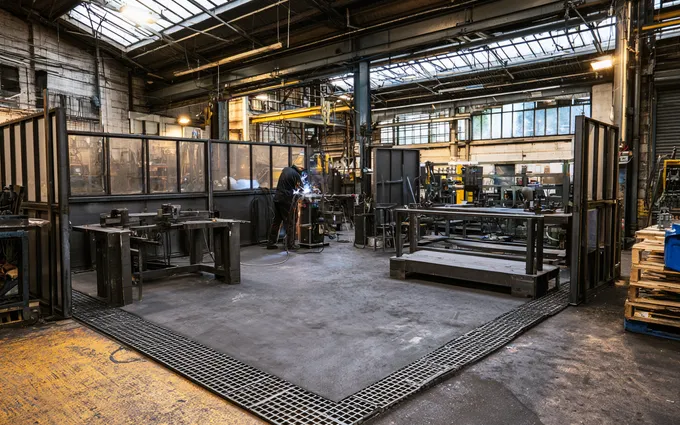 FM-03Fire-Resistant
Fire Resistant Matting
Flame-retardant, self-extinguishing floor matting for welding bays, fabrication shops, foundries and other hot work areas.
View matting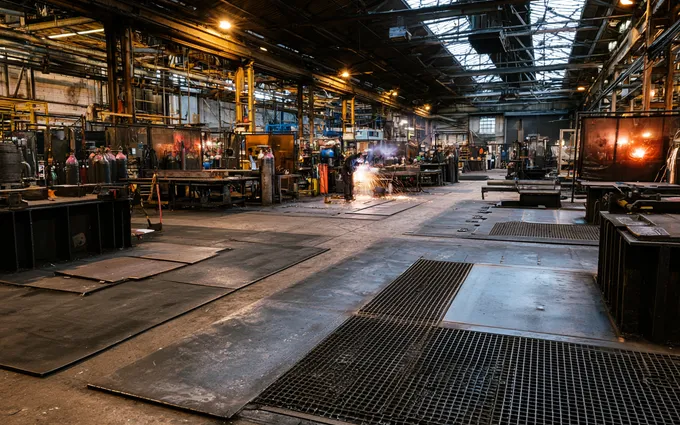 FM-04Hot Works
Hot Works Matting
The hub for welding, grinding and cutting floor protection — fire-resistant matting that handles sparks, spatter and slag.
View matting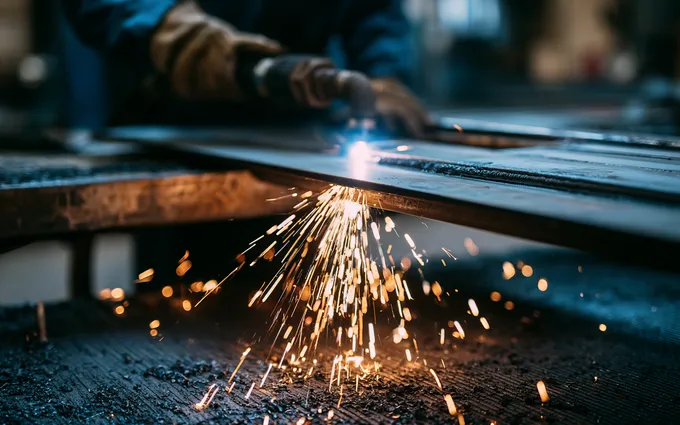 FM-05Plasma Cutting
Plasma Cutting & Thermal Cutting Mats
Fire-resistant floor protection for plasma and thermal cutting, where molten dross and sparks travel and fall further than arc-welding spatter.
View mattingQuotes & specification help
Not sure how far your sparks travel?
Send the process and the working area, and we'll help you size spark-resistant coverage to the real spray pattern rather than guessing.