FM-01Hot Works
Hot Works Matting
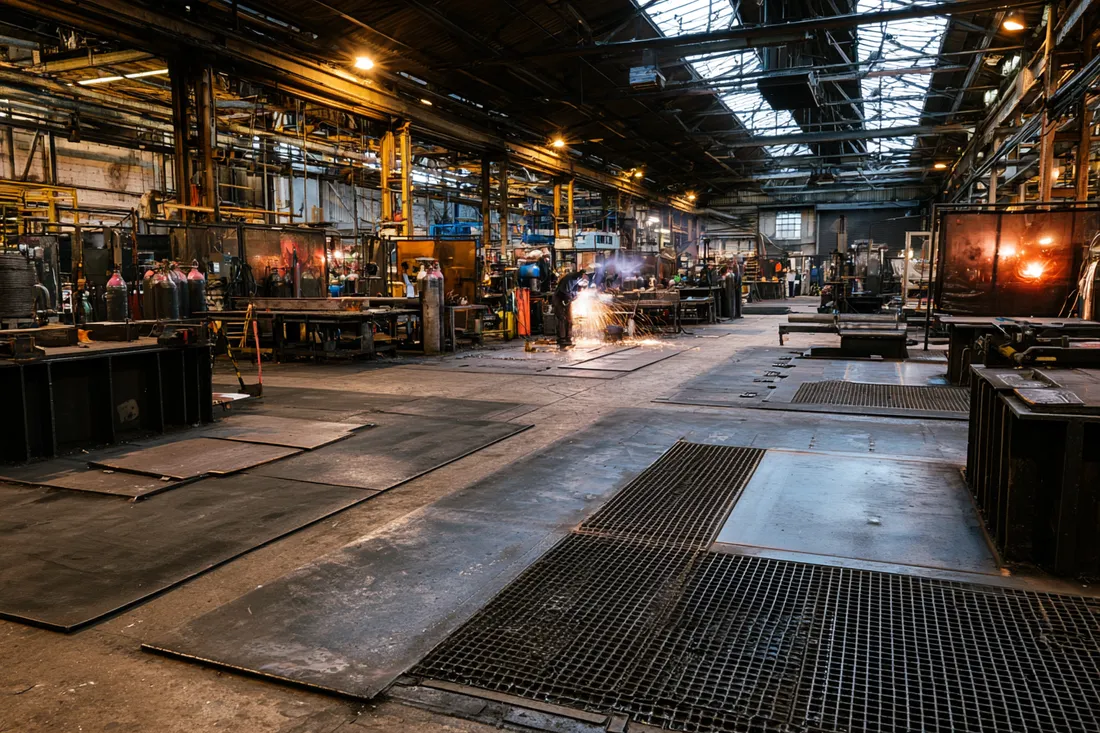
Hot works matting protects floors and surfaces in areas where welding, grinding, cutting and fabrication throw sparks, spatter, slag and hot metal fragments. It reduces fire risk and floor damage, and the right grade also improves standing comfort over long shifts.
This is the starting point for specifying floor protection for a welding bay, fabrication cell, grinding station or temporary site hot work zone. Below we cover what the matting has to handle and how to choose — then send us the details for a recommendation.
In short
Hot works matting is fire-resistant floor protection for welding, grinding and cutting areas, built to handle sparks, spatter and slag; it supports a hot work permit and fire watch but never replaces them.
Spark & spatter resistant
Built for welding sparks, grinding debris and hot metal fragments.
Fire-resistant grades
Flame-retardant and self-extinguishing material options for hot work areas.
Comfort over long shifts
Anti-fatigue versions for welders and fabricators who stand for hours.
Specified to the work
Matched to your process — MIG/TIG/arc, grinding, plasma or thermal cutting.
What is hot works matting?
Hot works matting is floor protection specified for areas where hot work — welding, grinding, cutting, brazing and similar — generates sparks, spatter, slag and heat. It protects the floor beneath, helps contain hot fragments and supports the fire precautions required around hot work.
It is protective equipment that forms part of a wider control approach. It does not replace a hot work permit, a fire watch or a proper risk assessment.
What the matting has to handle
- Sparks and spatter thrown from welding and grinding.
- Hot metal fragments, slag and molten splash landing on the floor.
- Floor damage — burns, pitting and staining on concrete or coated floors.
- Standing fatigue across long welding and fabrication shifts.
- Slip risk from grinding dust, oil and coolant underfoot.
- Documentation and compliance checks under hot work permits.
Matting by hot work type
Welding (MIG / TIG / arc)
Spatter and sparks land close to the work. A dedicated welding mat protects the floor directly beneath.
Grinding & cutting
Grinding throws a wide spray of sparks and abrasive dust; plasma and thermal cutting add molten splash. Spark-resistant matting sized to the spray pattern suits these stations.
Fabrication bays & cells
Mixed tasks over a defined area suit welding bay flooring — often tiles that can be replaced individually as they wear or burn.
| Task / hazard | What lands on the floor | Matting to consider |
|---|---|---|
| MIG / TIG / arc welding | Sparks and spatter close to the arc | Welding mat or welding bay flooring |
| Angle grinding & cutting | Wide spark spray and abrasive dust | Spark-resistant matting, sized to the spray |
| Plasma / thermal cutting | Sparks plus molten splash | Fire-resistant matting rated for molten contact |
| Long standing shifts | Operator fatigue, plus sparks | Flame-retardant anti-fatigue matting |
| Temporary site hot work | Sparks and slag for the job duration | Portable temporary hot-work floor protection |
How to choose hot works matting
- Identify the process and where sparks, spatter and slag actually land.
- Match the material to direct spark/molten contact vs surrounding floor protection.
- Ask whether anti-fatigue cushioning is needed for long standing shifts.
- For a permanent bay, consider replaceable tiles; for site work, portable protection.
- Request the product fire classification and certificate from the supplier.
Fire-resistant, not fireproof
No matting is truly fireproof. Hot works matting is designed to be fire-resistant, flame-retardant or self-extinguishing for its intended use — it resists ignition and slows flame spread, but it is not a substitute for safe practice and fire watch. Match the product to the heat and spark source, and keep extinguishing means to hand.
Hot Works Matting — questions
Honest answers specific to this matting type.
01What matting should I use in a welding bay?
Use floor protection designed for sparks, spatter and slag — a welding mat or welding bay flooring suited to your process. Where welders stand for long periods, choose a flame-retardant anti-fatigue grade. Tell us the bay size and process and we’ll specify a suitable option.
02What matting suits a bay running welding, grinding and cutting together?
A mixed hot work bay needs fire-resistant floor protection rated for the harshest process running over it — usually fire-resistant matting or welding bay flooring, with spark-resistant cover where grinding and cutting throw the widest spray. Tell us the processes and bay size and we’ll specify a suitable layout.
03Does hot works matting replace a hot work permit?
No. Matting is floor protection and part of wider fire precautions, not a replacement for a hot work permit, fire watch or risk assessment. Use it alongside your normal hot work controls.
04Is any of this matting fireproof?
No matting is truly fireproof. These products are fire-resistant, flame-retardant or self-extinguishing for their intended use. Always match the mat to the actual heat and spark source and keep extinguishing means to hand.
Go deeper before you specify
Hot Works Floor Protection: A Buyer's Guide
How to work out what floor protection a hot works area actually needs, across welding, grinding, cutting and temporary site work, before you start comparing products.
Read guideFireproof vs Fire-Resistant Matting — What the Words Mean
Why "fireproof" is the wrong word for matting, what fire-resistant, flame-retardant and self-extinguishing actually mean, and the classification to ask for instead.
Read guideHow to Specify Matting for a Welding Bay
A practical specification guide for welding bay flooring — fire classification, grip, anti-fatigue, format, cleanability, chemical resistance and trip control, with a checklist to send a supplier.
Read guideHot Work Permits and Floor Protection
What a hot work permit is, where floor protection fits in, and why matting supports but never replaces the permit, fire watch and risk assessment.
Read guideHow Far Do Welding and Grinding Sparks Travel — And How Big a Floor Zone Should You Protect?
How far welding spatter and grinding sparks reach, the US 35 ft vs UK ~10 m clearance-zone rules, and how to translate that zone into mat sizing and combustible-floor protection.
Read guideDo Welding Sparks and Slag Damage Concrete Floors?
How welding sparks, spatter and slag affect concrete, epoxy, vinyl and timber floors — and how flame-resisting matting protects the substrate and supports a hot work permit.
Read guideWelding Floor Protection: Tiles vs Mats vs Rolls
When to use interlocking tiles, single mats or rolls for welding and hot works floor protection — how each format wears, replaces and suits a bay, station or walkway.
Read guideFoundry Floor Protection: Matting for Molten Metal & Hot Work
What floor matting can and can't do in a foundry — protecting standing and surrounding areas from sparks, spatter and radiant heat, and where engineered protection is needed instead.
Read guideWorkplace Safety Matting and Hot Works Risk Assessments
How floor protection fits into a hot works risk assessment, what to record about matting, and when to review it — for health and safety managers.
Read guideRunning Hot Work Safely in a Warehouse Maintenance Bay
How to manage floor protection in a warehouse maintenance bay over time — setup, day-to-day checks, review triggers, and contractor vs in-house considerations.
Read guideCompare nearby options
 FM-01Welding Mats
Welding Mats
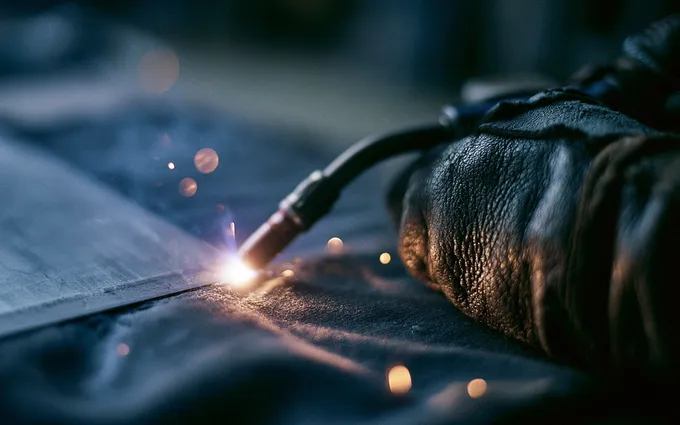
Spark-, spatter- and heat-resistant welding floor mats to protect floors and surfaces during welding, grinding and cutting.
View matting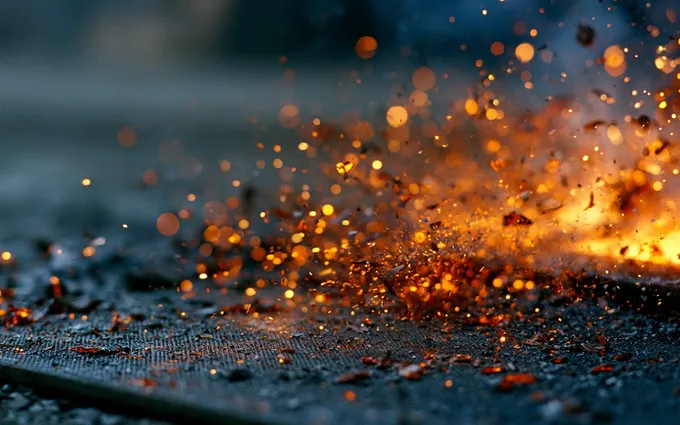 FM-02Spark-Resistant
Spark Resistant Matting
Floor protection built to take sparks, spatter and hot fragments from welding, grinding and cutting.
View matting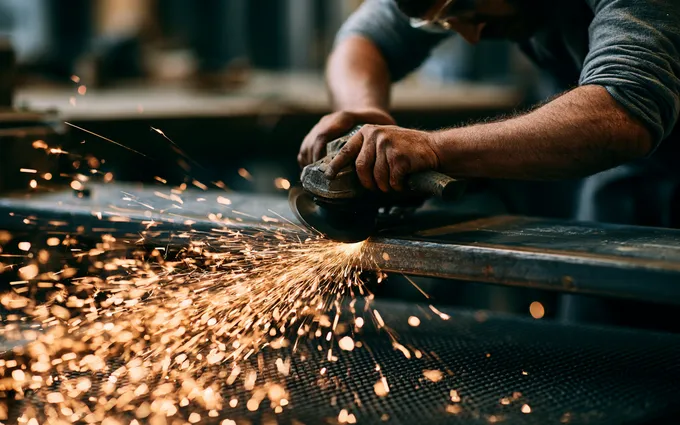 FM-03Grinding
Grinding Station Mats
Floor protection for grinding stations — spark spray, abrasive dust, slip risk and long standing shifts.
View matting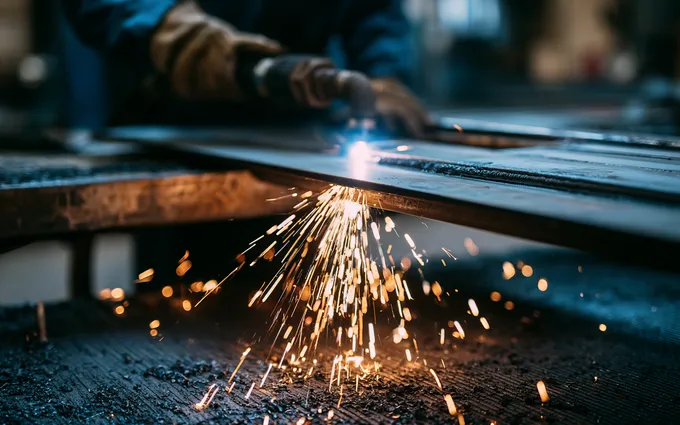 FM-04Plasma Cutting
Plasma Cutting & Thermal Cutting Mats
Fire-resistant floor protection for plasma and thermal cutting, where molten dross and sparks travel and fall further than arc-welding spatter.
View matting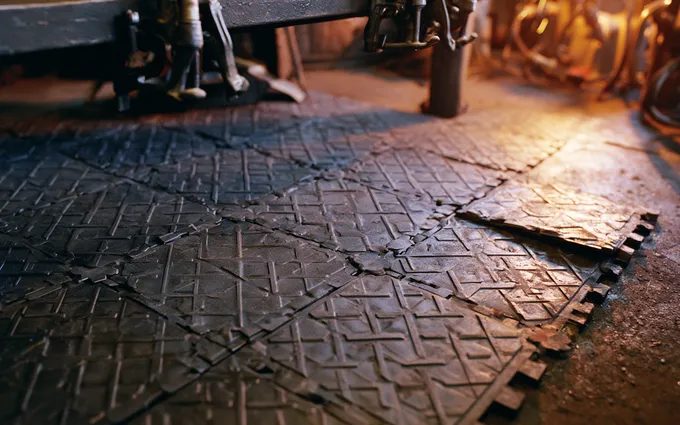 FM-05Welding Bay
Welding Bay Flooring
Fire-resistant mats and replaceable tiles to lay out a welding bay or fabrication cell floor.
View matting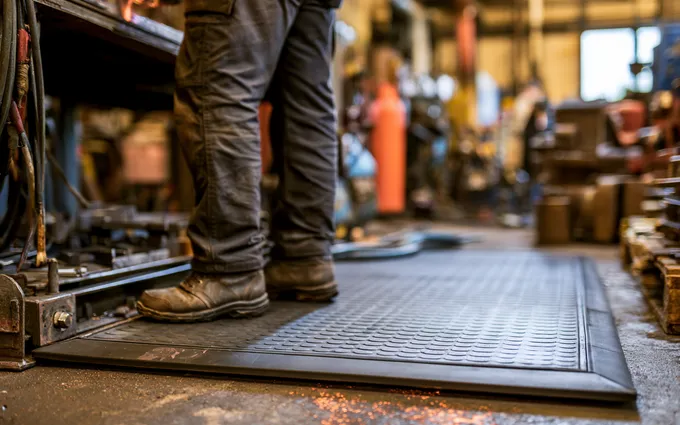 FM-06Anti-Fatigue
Flame-Retardant Anti-Fatigue Mats
Cushioned, spark-resistant matting to ease long welding and fabrication shifts without the fire risk of standard foam.
View matting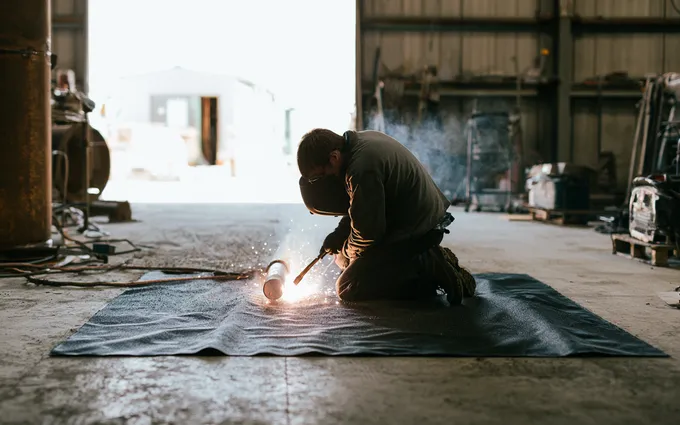 FM-07Temporary
Temporary Hot Work Floor Protection
Portable, fire-resistant floor protection for site hot works, maintenance and hot work permit areas.
View matting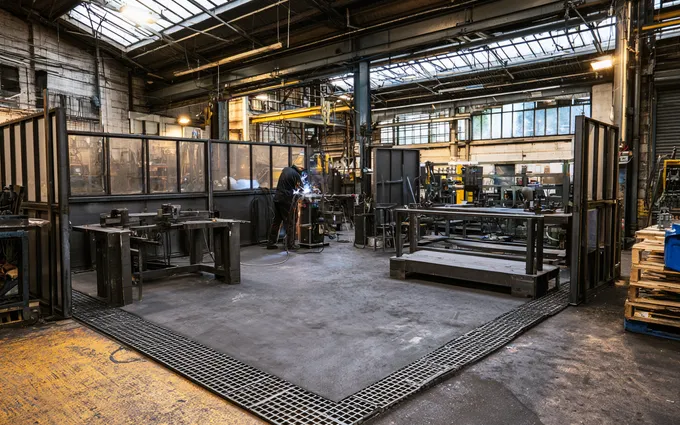 FM-08Fire-Resistant
Fire Resistant Matting
Flame-retardant, self-extinguishing floor matting for welding bays, fabrication shops, foundries and other hot work areas.
View mattingQuotes & specification help
Running more than one hot work process?
Welding, grinding, cutting or a mixed fabrication bay — send the processes involved, the floor type, spark/spatter zone and any fire classification requirement, and we'll help you specify matting rated for the harshest one.